DevOps practices are a smart way to ensure faster production and high-quality releases. They have brought the Development and Operations team together. Some organizations are using it widely, and some are still exploring its potential. The only thing that remains constant is understanding it as a journey or a destination.
This blog is all about this. It speaks about DevOps Maturity and the connection between DevOps maturity & DevOps security. Keep Reading.
What is DevOps Maturity?
It is a model that determines enterprise standing in the DevOps journey and decides what more you need to achieve the desired results.
DevOps Maturity Models acts as a tool to access the effectiveness of the organizational processes. These processes include:
-
- Adoption of certain business practices
- Identifying the capabilities required to:
- Improve performance
- Reach higher maturity level
What is Essential to Achieve DevOps Maturity?
The model determines the growth through continuous learning from:
- Both the Dev and the Ops teams
- Organizational perspectives
Note: The higher the skills and capabilities, the higher the ability to manage scaling and complexity issues.
4 Key Areas to Gauge Your Level of DevOps Maturity
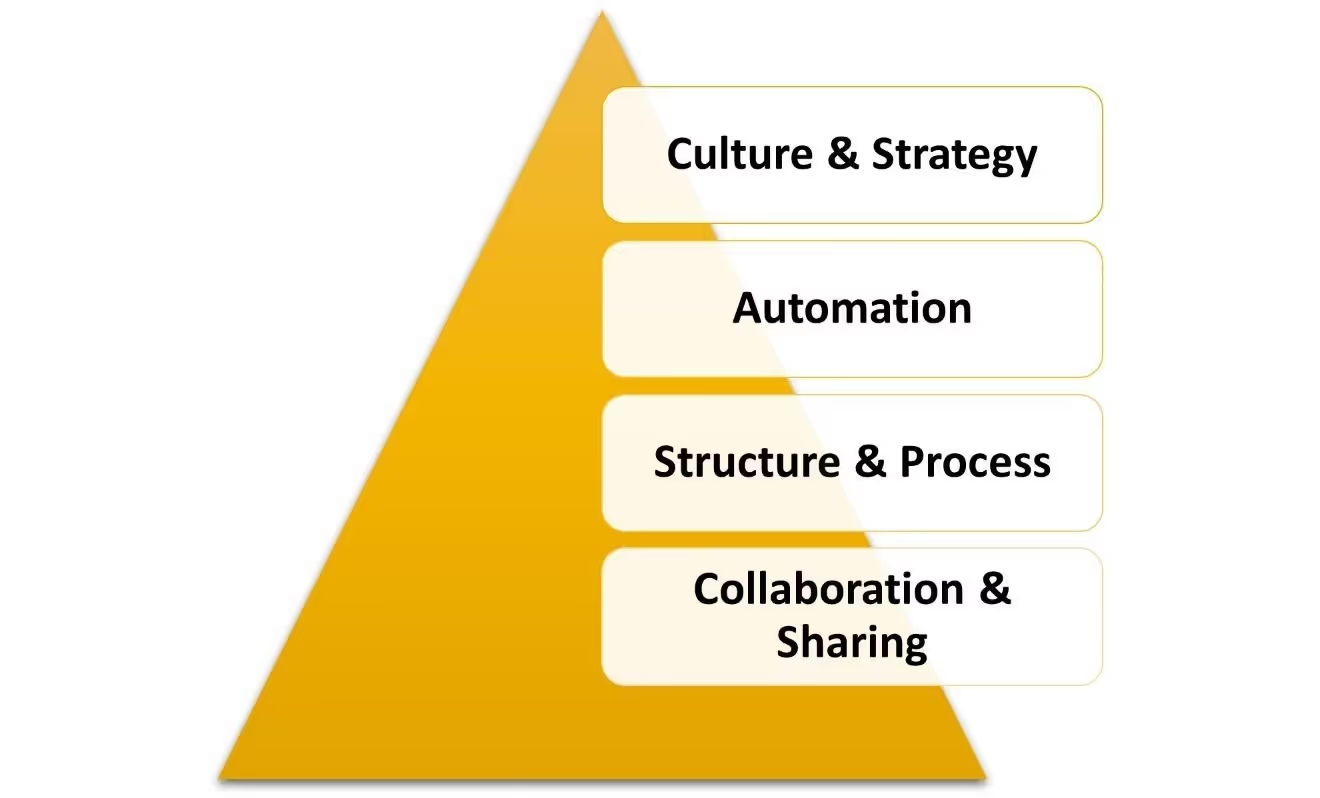
- Culture & Strategy: DevOps is a culture-driven approach that unites various teams and drives them towards a common goal.
Transition to DevOps means transforming your company’s operating culture that is backed by:
-
- Set of policies and regulations
- Process frameworks
Also, this transition requires perfect planning and robust strategy.
- Automation: It is the key to seamless CI/CD operations in DevOps. The automation process:
-
- Eliminates recurring operations
- Increases deployment rate
- Eases development, testing, and production cycles
- Saves time and resources
- Structure and Process: IT functionalities nowadays have become process oriented. From incident response systems to communication tools, organizations, nowadays, have a dedicated process for everything. Hence, structure and process are very significant in DevOps.
- Collaboration & Sharing: One of the most vital parameters of DevOps culture. Teams should align their tools and resources to achieve common objectives and goals.
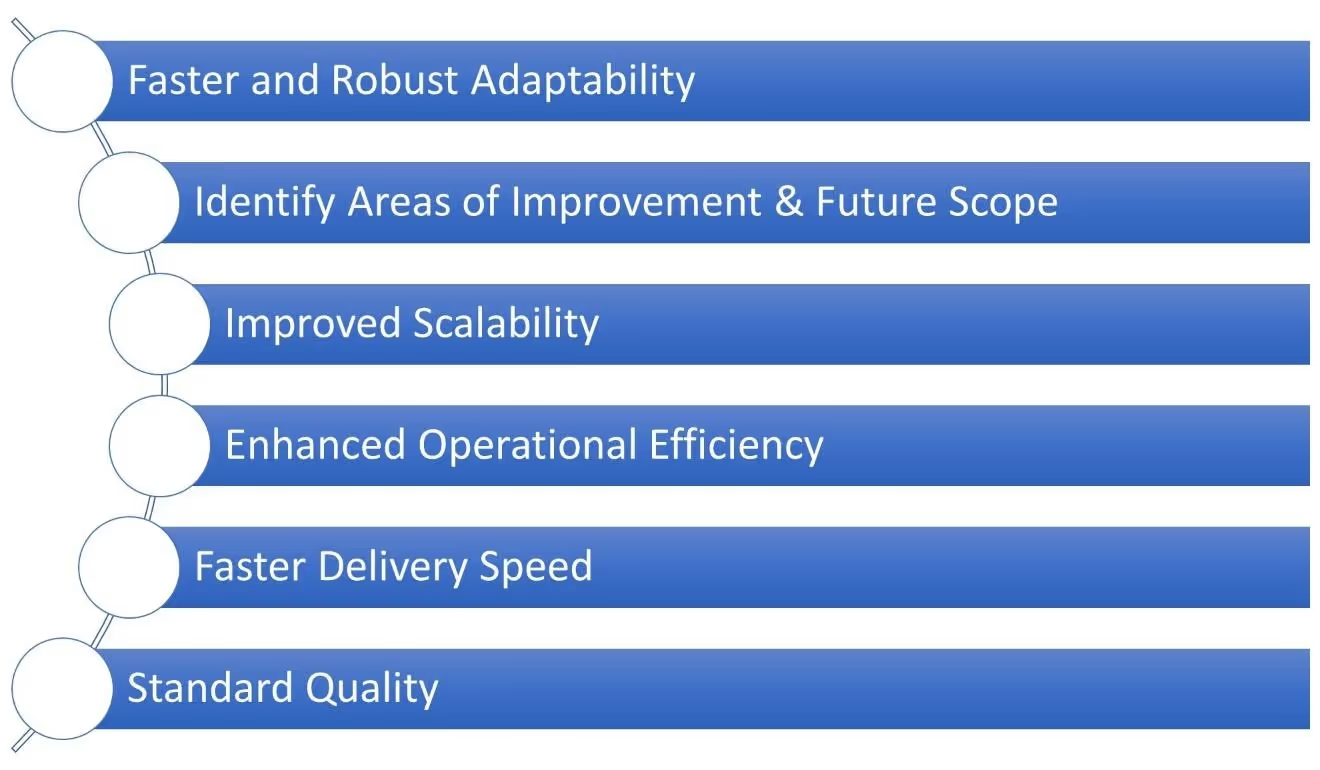
Business Benefits of DevOps Maturity
- Organizational Stages in the DevOps Journey
-
- Unconscious Incompetence: Here, enterprises fail to understand DevOps and its offerings.
-
- Conscious Incompetence: Within 1-1.5 years of starting their DevOps journey, enterprises seize multiple DevOps automation components. This way, they try to automate the processes. Also, there is no collaboration and sharing involved here.
- Conscious Competence: Here, after 4-5 years of successful DevOps implementation, enterprises start focusing on:
-
- Collaboration across teams
- Streamlining the resources & tools sharing
- Unconscious Competence: Here, enterprises become well-packed with:
-
- Formalized structured frameworks
- In-depth collaboration
- Concrete process for robust sharing
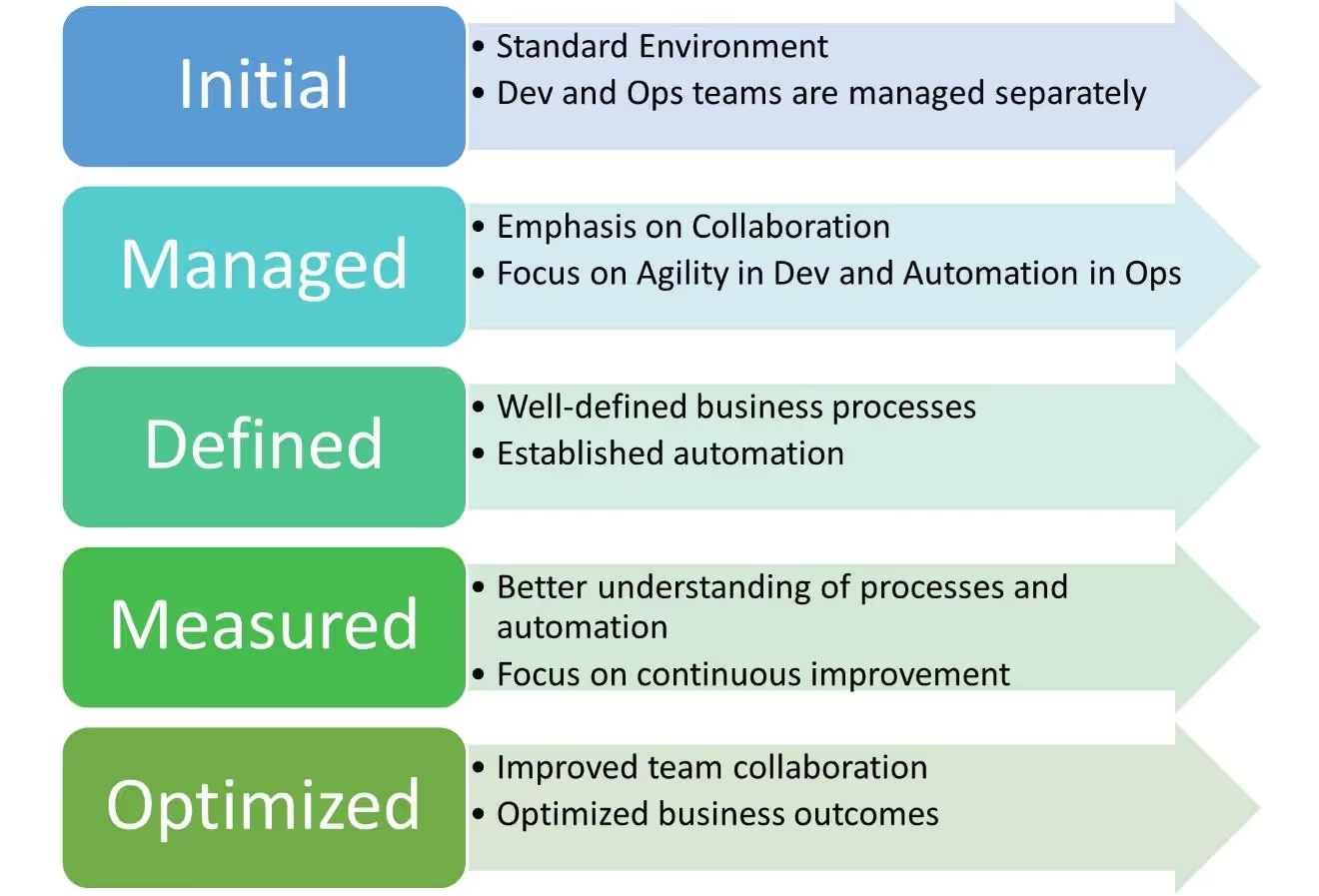
5 Transformation Stages in DevOps Maturity Model
DevOps Maturity Model is composed of the below five stages. Enterprises must check their maturity levels at every stage and identify their focus areas. Also, they should focus on various other factors to stay competitive.
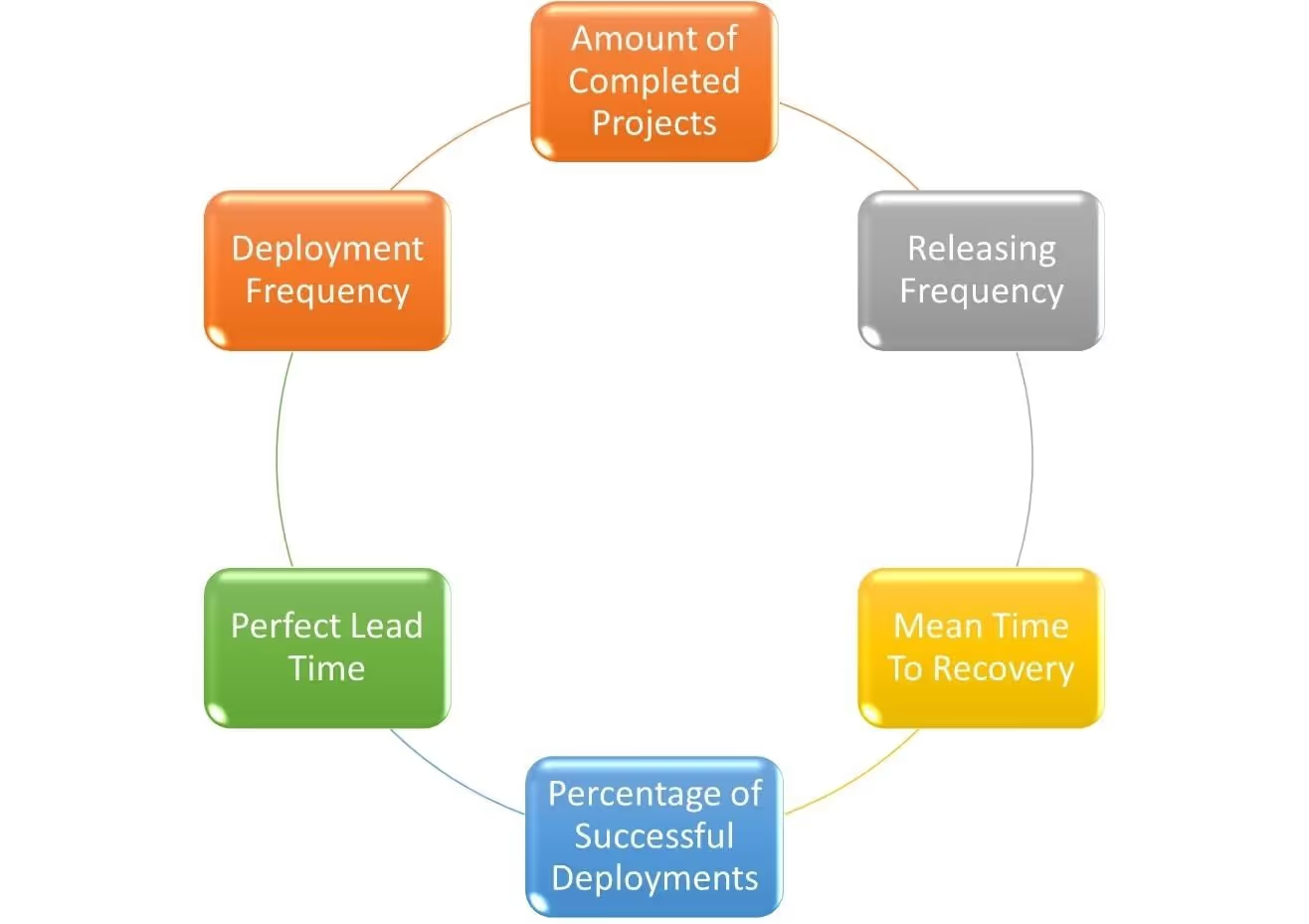
Measuring Parameters in the DevOps Maturity Model
Six standard measuring parameters confirm your enterprise maturity level:
Is DevOps Maturity Interlinked with DevOps Security?
Yes, DevOps maturity and DevOps Security (DevSecOps) have a connection. With faster release cycles and rapid digital innovation, security challenges are also getting more complicated. DevOps maturity allows enterprises to re-evaluate their security practices. They can incorporate security into the DevOps model to monitor the application development stages closely.
With effective DevSecOps implementation, solutions like ‘Containerization’ can help fix security issues consistently. Also, it can limit the number of vulnerable resources. Hence, the collaboration of DevOps Maturity and DevSecOps is essential to keep the business processes safe and reliable.
Conclusion
DevOps Maturity increases your entire workflow, improves release cycles, and lowers the time to market. You can also determine the DevOps level of your enterprise and explore the improvement areas.
At Successive Digital, we help you enable a robust, seamless DevOps experience on your premises, in private and public clouds. Our DevOps solutions shorten your release cycles, improves scalability, and helps you stay competitive. Contact us to get started.