Be it a flawed business model, inadequate research, or not getting enough market— many reasons can result in a startup failure. But, the primary reason that they are not even able to get their idea out in the market in the first place is not getting funding. In this case, the idea of small contributions by people who believe in a dream and help it to become reality is empowering. This is called crowdfunding, where people assist entrepreneurs, business owners, startups, and individuals with funding, removing uncertainties and financial worries. Over a period of time, from 2024 to 2032, the global crowdfunding market size is expected to grow from USD 1.60 billion, showcasing a CAGR of 13.8% during the forecast period. Hence, it is clear that crowdfunding has become increasingly popular in the past decade and will continue to be so. Therefore, designing a creative project around crowdfunding platform development can be a highly successful venture at the moment. But what does it take to create a thriving crowdfunding platform that effectively connects startups with their supporter? Is it a mere concept, technology, or monetization strategy? Let’s find out in this guide…
What is Crowdfunding in Business and How Does these Platforms Work?
Crowdfunding today is a prospering industry and is prospering the industries. This abstraction idea allows people to come together on a single platform to fund a project. At a crowdfunding platform, people raise funds for a particular cause they think is inspiring and needs encouragement. The funding can be little from individuals, but with a good campaign that reaches the right people to a large extent, it can fulfill the ultimate capitalization goal. Hence, it can scale a startup into a booming business quicker than envisioned.Aspiring entrepreneurs and businesses can build a robust crowdfunding platform with a product engineering company, helping startups and individuals accomplish their remarkable financial objectives.
Different Types of Crowdfunding Platforms
There are different crowdfunding platforms that act as intermediaries and connect fundraisers with contributors in various ways. If you are looking to develop your own crowdfunding platform, you can choose among these powerful methods to help a variety of businesses and entrepreneurs raise funds, validate ideas, and connect with their audience.
Equity-Based Crowdfunding
With equity-based crowdfunding, contributors invest in exchange for shares or ownership stakes. Startups with long-term growth potential can use this type of crowdfunding for business, as it allows them to raise larger amounts of money.Examples: SeedInvest and CircleUp
Loan-Based Crowdfunding
Also known as peer-to-peer lending, P2P lending, or debt-based crowdfunding, contributors provide loans that are repaid with interest in loan-based crowdfunding. This is similar to the traditional loan system, where instead of getting a loan from a bank, startups/ businesses can apply for a loan from a crowd of investors. And it is excellent for businesses seeking debt financing with lower interest rates compared to traditional banks.Examples: LendingClub and Prosper
Reward-Based Crowdfunding
Startups launching a new product or service and needing funds for development or production typically use this model. Here, Contributors receive non-monetary “rewards,” usually products or services, in return for their contributions.Examples: Kickstarter and Indiegogo.
Donation-Based Crowdfunding
In this type of crowdfunding platform, contributors donate without expecting any return, often for charitable causes or community initiatives. It is commonly used by non-profits and social campaigns, where they believe in the cause without expecting a financial return.Examples: GoFundMe
Benefits of Crowdfunding for Business
If any individual or startup wants to raise the funds to develop or launch their product or even grow their businesses, they can turn to crowdfunding—reaping a variety of additional benefits beyond the acquisition of funds. The more reasons people have to seek funding, the more successful their crowdfunding app will likely become. Therefore, focus on showcasing these benefits as they design and develop their application.
Access to Capital
It opens doors to funding from secure funding without relying on traditional financing methods like loans or venture capital.
Market Validation
Running a funding campaign on a crowdfunding platform will likely test market interest and validate ideas before fully launching a product or service.
Audience Building
It is an excellent platform for businesses to connect with individuals, other companies, and potential customers who believe in their ideas, providing the opportunity to turn backers into loyal advocates.
Feedback and Insights
Through crowdfunding campaigns, businesses can engage with backers, getting their valuable input on the product or service. This can help them adjust their offerings and strategies, aligning closely with customer expectations.
Publicity and Marketing
A well-executed crowdfunding campaign is an excellent PR opportunity, attracting media coverage and organic word-of-mouth promotion.
Networking Opportunities
With the use of crowdfunding platforms, you can build relationships with potential partners, suppliers, and industry professionals, opening doors for future collaborations and opportunities.
Things to Consider for Successful Crowdfunding Platform Development
Crowdfunding platform development is dependent on various factors and careful planning. Let’s give a thought on what parameters can ensure successful project management.
Start With Niche
Identify a specific niche for your crowdfunding app that can differentiate it from competitors.
- What is the main objective of your crowdfunding platform?
- What type of audience does the app cater to?
- How does the platform align with the targeted audience?
Once you get the answer to these questions, you can customize your platform’s features and strategies accordingly.
Understand Legal Compliance
Each country has its regulations regarding fundraising, and crowdfunding platforms must comply with these laws effectively. Ensure you understand the legal requirements for your platform, including:
- Licenses
- Disclosures
- Tax obligations
Consulting with a legal expert or product engineering company that focuses on compliance and security can help you avoid potential pitfalls and complications from legal compliance.
Find Out the Unique Features
Features you choose to integrate into your crowdfunding app will help it stand out in a crowded market with enhanced user engagement and improve the fundraising experience.
- Tiered rewards
- Social sharing options
- Customizable campaign pages
- Integrated analytics
Such features can help attract both backers and project owners, increasing the appeal of your platform.
Focus on Customer Experience
In a highly competitive market, customer experience is what makes your crowdfunding platform unique for the audience, which they want to visit again and again. Therefore, ensure a seamless, intuitive interface for platform users exploring and engaging with campaigns.
- Invest in user-friendly design
- Ensure easy navigation
- Build a responsive customer support
- Providing resources like tutorials, FAQs, and community forums
Consider Budget, Technologies, and Monetization Model
Developing a crowdfunding platform involves investment, a monetization model, and selecting scalable and secure technologies. Create a detailed budget, including:
- Development
- Ongoing operational costs
- Technology
- Marketing strategy
- Legal expenses
Technology Used to Create a Platform Streamlining Crowdfunding for Business
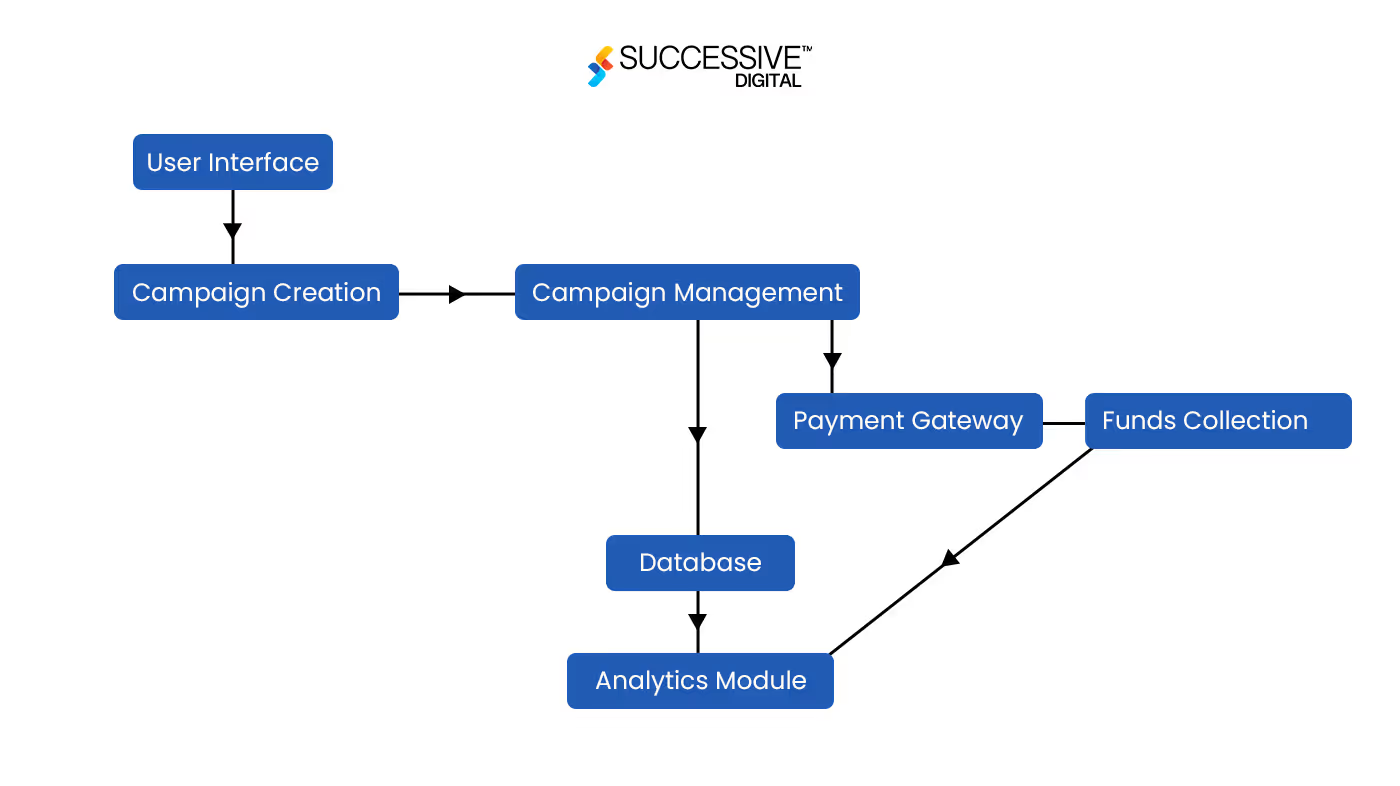
For a functional crowdfunding platform development that exceeds customer expectations, you need to incorporate advanced technologies. Moreover, integrating such technologies will ensure seamless performance along with robust security. While AI and ML algorithms enhance campaign recommendations and improve fraud detection, cloud-based solutions handle fluctuating traffic with ease due to their scalability and reliability benefits. Further, advanced analytics tools are integrated to track real-time campaign performance and user behavior. On the other hand, secure payment gateways and robust authentication mechanisms are developed for secure transactions.ComponentTechnology/ToolFrontend DevelopmentReact, Angular, or Vue.jsBackend DevelopmentNode.js, Django, or Ruby on RailsDatabasePostgreSQL, MongoDB, or MySQLCloud HostingAWS (Amazon Web Services), Google Cloud, Microsoft AzurePayment GatewayStripe, PayPal, RazorpayAuthenticationOAuth, Firebase AuthenticationFile StorageAWS S3, Google Cloud StorageMessaging & NotificationsTwilio, Firebase Cloud MessagingAnalyticsGoogle Analytics, MixpanelDevOps ToolsDocker, Kubernetes, JenkinsContent Delivery Network (CDN)Cloudflare, AkamaiSecurity ToolsSSL Certificates, OWASP ZAP
What are the Selected Features to Integrate in Crowdfunding App?
Admin PanelFeaturesDescriptionUser ManagementManage user profiles, including:
- registration approvals
- Suspensions
- Role assignments
Campaign ModerationApprove, reject, or flag campaignsPayment Management
- Oversee payment processes
- Manage refunds
- Monitor transaction statuses
Analytics DashboardTrack platform metrics such as:
- User activity
- Campaign performance
- Revenue generation
Content Management
- Update FAQs
- Terms and conditions
- Promotional banners
Support ManagementRespond to user queries and complaints efficientlyFee ConfigurationSet and modify platform fees or commission percentagesAdvertisement ControlManage and approve advertisements Campaign Creator PanelFeaturesDescriptionCampaign SetupCreate, edit, and manage campaignsPayment IntegrationEnable creators to receive funds securely.Analytics ToolsProvide campaign performance insights, such as:
- Views
- Pledges
- Engagement rates
Social SharingIntegrate social media sharing options Reward ManagementAdd and manage reward tiers for backers.Communication ToolsSending updates to backers and responding to their inquiriesDraft and PreviewSave and preview campaigns them before going liveFunding TrackerShow real-time tracking of fundsBacker PanelFeaturesDescriptionCampaign BrowsingSearch, filter, and explore campaigns User RegistrationRegister, log in, and manage profilesPledge ManagementMake, modify, or cancel pledges Favorite CampaignsSave campaigns for future reference Real-Time UpdatesGet notifications on campaign progress or milestonesReward TrackingView details of rewards and their statusesSupport CommunicationContact campaign creators for queries Payment HistoryMaintain a history of transactions
Step-by-Step Guide to Create a Crowdfunding Platform
For a Successful Crowdfunding platform development, you have to take care of various aspects in depth, such as:
- Identifying the market segments and key demographics.
- Learn about market leaders
- Decide the monetization model
- Choose a product engineering company as per your needs
- Understand the future trends
When you understand the above checklist, you can move to the detailed step-by-step process of Crowdfunding platform development for sustained long-term growth, as given below:
Project Discovery
This phase involves researching and defining the core objectives and requirements of your crowdfunding platform.
- Market Research
Analyze target audience preferences and industry trends to identify gaps and opportunities to differentiate your platform from the existing ones.
- Define the Niche
Choose a specific niche or type for crowdfunding platform development to target a well-defined user base.
- Feature List
Draft a comprehensive list of essential and advanced features, such as:
- Campaign creation
- Social sharing
- Real-time analytics
- Business Model
Decide how your crowdfunding app will generate revenue
- Commissions
- Ads
- Paid services
Design Phase
Create a user-friendly and visually appealing interface for all users:
- Admins
- Campaign creators
- Backers
- Wireframing
Develop wireframes to outline the structure and flow of the platform. Focus on intuitive navigation and usability.
- UI/UX Design
Design the interface that caters to the audience’s needs as well as perform functions seamlessly, following these parameters:
- Engaging visuals
- Consistent branding
- Responsive layout for various devices
- Feedback Loops
Share prototypes with stakeholders or potential users for feedback to refine the design.
MVP Development and Testing
Build a Minimum Viable Product with core features to test the platform’s functionality and market response.
- Core Features
Include basic functionality that represents the core idea of crowdfunding platform development, such as:
- User Registration
- Campaign Creation
- Payment Processing
- Browsing
- Agile Development
Use agile methodology for iterative development, ensuring flexibility to incorporate feedback.
- API Integration
Integrate APIs for essential services like:
- Payment gateways
- Social media sharing
- Analytics
- Testing
Conduct rigorous testing to address issues like broken workflows or payment errors and boosting:
- Functionality
- Performance
- Security
Final Launch
Prepare for the official launch of your platform with proper marketing and operational readiness.
- Beta Testing
Release the platform to a limited audience for real-world testing. Gather feedback to make final adjustments.
- Marketing Strategy
Promote the platform using social media campaigns, email marketing, and collaborations with influencers or organizations.
Testing and Maintenance
After the final, successful launch of the crowdfunding app, continuous testing and maintenance are critical to ensuring the success and reliability of the platform.
- Bug Fixes
Monitor and promptly address any bugs or issues reported by users.
- Feature Updates
Roll out new features or enhancements based on user feedback and evolving market needs.
- Security Updates
Regularly update security protocols to safeguard user data and transactions.
- Performance Monitoring
Use analytics tools to track performance metrics like user engagement, campaign success rates, and revenue growth.
Best Crowdfunding Platforms for Businesses to Analyze
The platforms for crowdfunding provide businesses with the opportunity for secure funding, offering diverse models customize to specific needs. From creative projects to equity-based investments, these platforms provide businesses with tools to connect with backers and raise necessary capital. Here’s a breakdown of some of the best platforms and their unique features:
Kickstarter
- All-or-nothing funding model, ensuring funding for viable projects only.
- Focus point of this crowdfunding platform is on creative industries (art, music, and technology).
- Encourages storytelling, engaging backers.
Indiegogo
- Flexible and all-or-nothing funding options.
- Caters to a broad range of projects, including technology and social causes.
- Features InDemand for continued fundraising after campaign success.
Fundable
- Customized for startups and small businesses with rewards and equity-based models.
- Provides guidance and support to help businesses attract investors.
Crowdfunder
- Equity crowdfunding for entrepreneurs.
- Connects startups with accredited investors and venture capitalists.
- Ideal for scaling businesses seeking significant investment.
Patreon
- Subscription-based model for ongoing support from patrons.
- Popular among content creators like podcasters and YouTubers.
- Tiered reward system enhances patron loyalty and engagement.
Crowdcube
- Equity crowdfunding, primarily in European markets.
- Connects startups with a mix of retail and institutional investors.
- Enables businesses to offer shares in exchange for funding.
GoFundMe
- Flexible platform with no deadlines or target requirements.
- Initially personal cause-focused but now used by small businesses.
- Social sharing tools amplify campaigns and reach.
How Much Does it Cost to Create a Crowdfunding App?
Cost ComponentEstimated Cost RangeDescriptionDevelopment ApproachCustom Development$50,000 – $150,000Building a unique app from scratch, costs vary based on features and complexity.Templates/White-Label Solutions$10,000 – $30,000Using pre-built solutions can significantly reduce costs but limits customization.Key FeaturesBasic Features$20,000 – $40,000User registration, project creation, payment integration, campaign tracking.Advanced Features$20,000 – $50,000Additional features like:
- Social sharing
- Real-time analytics
- Reward tiers
Design Costs$5,000 – $20,000Costs for creating a user-friendly and appealing UI/UX design.Backend Development$15,000 – $40,000Secure infrastructure handling processes like:
- User accounts
- Payment processing
- Data storage
Ongoing Maintenance and Updates15-20% of initial development costAnnual costs for maintenance, bug fixes, and updates to ensure functionality and security.Marketing and Launch$5,000 – $30,000Budget for marketing and promotional activities to attract users during the launch phase.
Total Estimated Cost of Crowdfunding Platform Development
Overall Range: $50,000 – $200,000Note: Actual costs depend on specific requirements and choices made during the development process.
How to Make Money with a Crowdfunding Platform?
Paid Features or Services
Offering paid features or services can enhance the fundraising experience for project creators and backers alike. Consider implementing:
- Premium accounts for a monthly or annual fee that offers advanced benefits and prioritizes customer support.
- Provide additional tools for campaign creators for a fee.
- Offer expert guidance on campaign strategies and best practices for a fee.
Commission
Charging a commission on funds raised is one of the most common monetization strategies for crowdfunding platforms. This could be structured as follows:
- Percentage Fee
- Tiered Commission Rates
Advertisement
Generating revenue through advertisements can be a lucrative strategy, especially if your platform attracts a large user base. Consider these options:
- Sponsored Ads
- Affiliate Marketing
Campaign Promotion
Promoting campaigns can enhance visibility and drive contributions, allowing you to monetize the promotional services. Consider the following approaches:
- Featured Campaigns
- Social Media Promotions
- Email Marketing Campaigns
How Can Cloud-Managed Service Providers Assist with Crowdfunding Platform Development?
With rising crowdfunding popularity, these platforms are valuable for organizations and individuals to raise capital from people. Therefore, entrepreneurs are utilizing this opportunity to create a successful crowdfunding platform. However, they need specialized guidance and expertise, such as:
- In-depth planning
- Expert development skills
- Deep understanding of their target users
With our specialized expertise in cloud technology and resources, you can transform your crowdfunding concept into a funded success.Let’s connect and explore how Successive Digital can assist you with crowdfunding platform development, enabling your business to be successful.